Quick answer: Automated packaging systems use machinery, sensors, and software to handle tasks like filling, sealing, labeling, and case packing without constant manual input. These packaging automation solutions help warehouses move more product, reduce errors, and keep operations running smoothly even during peak demand.
If you have ever watched a warehouse team scramble to keep up with a surge of orders, you already understand the problem automated packaging systems solve. Boxes pile up, labels get mixed up, and tired hands make mistakes. Packaging automation changes that equation by letting machines handle the repetitive, physically demanding parts of the packaging process.
This guide breaks down what automated packaging systems actually are, how they work step by step, and why so many growing operations are investing in them.
What Are Automated Packaging Systems?
Automated packaging systems are equipment setups that use machinery, sensors, and software to complete packaging tasks with little or no manual labor. Instead of a team member filling, sealing, and labeling every box by hand, automatic packaging equipment performs these steps on its own, often at speeds no human crew could match.
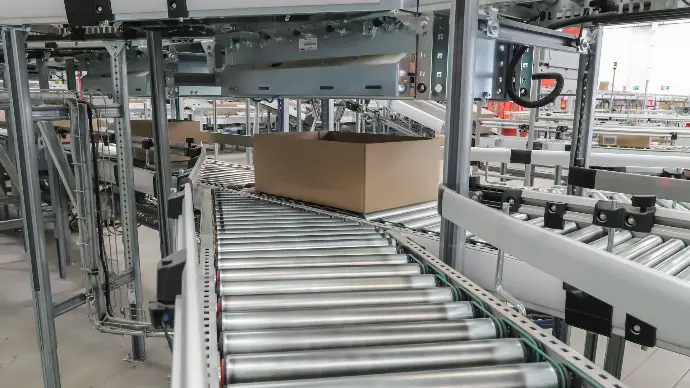
These systems typically combine a few core components: conveyors that move products along the line, sensors that detect position and quantity, actuators that perform physical tasks like sealing or wrapping, and software that coordinates the entire sequence. Together, these parts form a packaging automation solution that can run consistently for hours at a time.
Manual, Semi-Automated, and Automatic Packaging: What's the Difference?
Not every operation needs the same level of automation. It helps to understand where your warehouse currently falls:
- Manual packaging relies entirely on people to fill, seal, label, and pack products by hand. It offers flexibility but is slower and more prone to error.
- Semi-automated packaging blends human labor with machine assistance. A worker might load products while a machine handles sealing or labeling.
- Automatic packaging removes most manual steps entirely, with automated packaging systems managing the process from start to finish.
Choose semi-automated equipment if your product mix changes frequently and you need flexibility. Choose fully automatic packaging if you run high volumes of similar products and consistency matters more than variety.
How Does Packaging Automation Work?
Automated packaging systems generally follow five steps, each handled by specialized equipment working in sequence.
Product Handling
Products first need to be moved and positioned for packaging. Conveyors, robotic arms, or automated guided vehicles transport items to the right station, often using sensors to confirm correct placement before the next step begins.
Filling
Once in position, products or materials are placed into containers, bags, or boxes. Filling equipment measures out precise quantities, whether that is liquid, powder, or individual items, reducing waste and keeping every package consistent.
Sealing
Packages are then securely closed using automated sealing equipment, such as case sealers or heat sealers. This step protects contents during shipping and gives every package a uniform, professional finish.
Labeling
Labels, barcodes, or other product information are applied automatically, often in the same motion as sealing. This keeps inventory tracking accurate and helps packages move smoothly through fulfillment and shipping.
Case Packing
Finally, finished products are organized and packed into cases for storage or shipping. Automated case packers arrange items efficiently, making the most of available space while protecting products from damage in transit.
What Are the Benefits of Packaging Automation?
Warehouses and distributors that adopt automated packaging systems typically see measurable improvements across several areas:
- Increased throughput: Automatic packaging equipment processes far more products per hour than manual labor alone, which matters most during seasonal spikes or growth periods.
- Consistent packaging quality: Machines apply the same amount of material, pressure, and placement every time, so packaging quality stays uniform across every shift.
- Reduced labor requirements: Automating repetitive, physically demanding tasks frees up staff for higher-value work and reduces reliance on hard-to-fill labor positions.
- Fewer packaging errors: Automated filling, sealing, and labeling cuts down on the mistakes that come with fatigue or rushed manual work.
- Improved efficiency: Products keep moving through the operation with fewer bottlenecks, which shortens fulfillment times and keeps customers happy.
For a deeper look at how automation is reshaping warehouse operations more broadly, MHI's Annual Industry Report offers useful industry context on adoption trends.
Ready to Explore Packaging Automation Solutions?
Automated packaging systems are becoming a practical necessity for warehouses that want to keep pace with rising order volumes without burning out their teams. Whether you are considering your first semi-automated upgrade or planning a full automatic packaging line, understanding how the process works is the first step toward a smoother, faster operation.
If you are ready to see what packaging automation could look like for your warehouse, connect with the team at GWC Packaging to talk through your options.
Frequently Asked Questions
Semi-automated packaging combines manual labor with machine assistance for specific steps, while fully automatic packaging systems complete the entire process, from product handling to case packing, with minimal human involvement.
Costs vary widely depending on the equipment type, production volume, and level of automation needed. Smaller semi-automated additions cost less upfront than full production-line automatic packaging systems.
No. While high-volume warehouses see the fastest return on investment, even smaller operations can benefit from targeted packaging automation solutions, such as automated case sealers or labelers, that address specific bottlenecks.
The main risks include upfront investment costs and the need for proper staff training. Working with an experienced equipment partner helps minimize downtime during installation and ensures long-term reliability.
Warehouse, procurement, and operations teams facing labor shortages, rising order volumes, or inconsistent packaging quality are strong candidates for automated packaging systems.