Quick Answer: Corrugated box manufacturers play a central role in sustainable packaging because they control material choices, design efficiency, and production methods that reduce waste. Choosing a manufacturer with strong recycling practices, responsible sourcing, and customization capabilities helps businesses cut their environmental footprint while still protecting products during shipping.
Think about the last time an online order showed up at your door. Chances are, it arrived in a cardboard box that got flattened, tossed in the recycling bin, and picked up the next week without a second thought. That everyday moment is exactly why corrugated packaging has become such a big deal in the sustainability conversation. It is familiar, functional, and increasingly expected to do more for the planet.
As consumers and businesses alike push for greener supply chains, corrugated box manufacturers have stepped into a bigger role by shaping how efficiently materials are used, how packaging holds up during transport, and how easily it can be recycled once it reaches its destination.
What Are Corrugated Boxes?
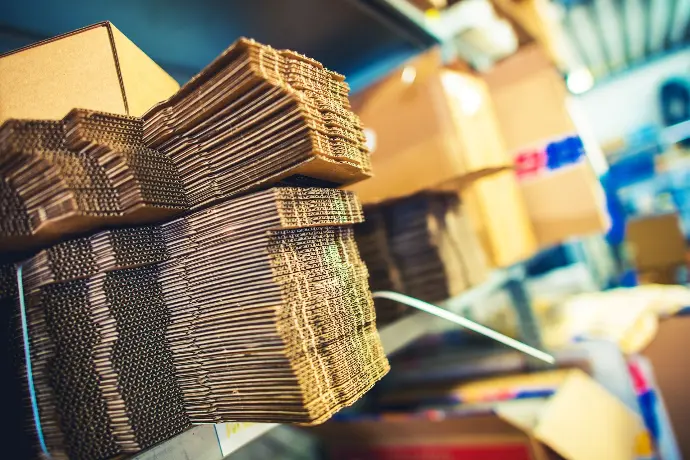
Corrugated boxes are made from three layers of paper: two flat outer liners and a wavy, fluted layer sandwiched in between. That fluted middle layer is what gives corrugated material its strength, almost like the ribbing inside a cardboard roll that keeps it from collapsing.
This simple design makes corrugated boxes a go-to choice for shipping, storage, and product protection. You will find them stacked in warehouses, moving through delivery trucks, and sitting on store shelves. They are lightweight enough to keep shipping costs down but sturdy enough to protect everything from electronics to furniture.
On top of their practicality, corrugated boxes bring real sustainability advantages to the table, which is why so many businesses rely on them as their packaging of choice.
How Corrugated Packaging Supports Sustainability
Recyclability
Corrugated material is one of the most recycled packaging types around. Once a box has done its job, it can be broken down, pulped, and turned into new packaging again. This cycle keeps materials in use longer and out of landfills.
Material Efficiency
Smart design matters. Lightweight corrugated structures use just enough material to protect the product, without adding unnecessary bulk. Less material means less waste and lower shipping weight.
Product Protection
Packaging that actually protects products helps prevent damage during transit. Fewer damaged goods mean fewer replacements, returns, and wasted resources, which is a sustainability win hiding in plain sight.
Responsible Sourcing
Paper and fiber sourced responsibly, often from certified forests, help ensure that packaging production supports long-term environmental health rather than working against it.
The Role of Corrugated Box Manufacturers
Corrugated box manufacturers influence sustainability far beyond the factory floor. Their material choices, design decisions, and production methods directly affect how much waste ends up downstream.
Manufacturers who prioritize efficient design can help businesses use less packaging material overall, without sacrificing durability. According to the Fibre Box Association, corrugated packaging has one of the highest recycling rates of any packaging material in the United States, which highlights just how much manufacturers and recycling infrastructure work together to keep this material circular.
Efficient production processes also matter. Manufacturers who reduce scrap, optimize cutting patterns, and streamline operations are cutting down on waste before a single box ever leaves the facility.
What to Look for in a Corrugated Box Manufacturer
Customization Capabilities
Look for a manufacturer who can design boxes around your product's exact dimensions, not just offer generic sizing. Custom-fit packaging reduces wasted space and material.
Material Selection
A good manufacturer offers different grades, strengths, and recycled-content options so you can match packaging to the product being shipped, whether that is a fragile item or something heavy-duty.
Production Efficiency
Reliable production schedules, consistent quality, and the ability to scale with your volume needs all matter, especially if your business experiences seasonal demand swings.
Sustainability Practices
Ask about sourcing, recycling programs, and waste reduction efforts. A manufacturer committed to sustainability should be able to speak clearly about their practices.
Industry Experience
Experience across different packaging and shipping needs means a manufacturer can anticipate challenges before they become problems for your business.
Choosing a Partner That Fits Your Business
The right corrugated box manufacturer should understand your product, your shipping requirements, and your sustainability goals, then bring packaging solutions that check all three boxes (pun intended).
If you're ready to find a packaging partner who understands manufacturing operations inside and out, explore how GWC supports manufacturers with scalable, sustainable packaging solutions built for speed and precision.
Frequently Asked Questions
Yes, corrugated boxes are widely recyclable and among the most recycled packaging materials in the country. Most curbside recycling programs accept flattened corrugated boxes.
Manufacturers reduce waste by designing boxes that fit products precisely, optimizing material use, and improving production processes to minimize scrap.
Corrugated packaging includes a fluted middle layer that adds strength and cushioning, making it more durable than standard flat cardboard.
Often, yes. Custom-fit boxes reduce excess material and the need for extra filler, which cuts down on waste and shipping weight.
Businesses with specific shipping requirements, high order volumes, or sustainability goals benefit most from a direct manufacturer relationship, since it allows for tailored solutions rather than off-the-shelf packaging.