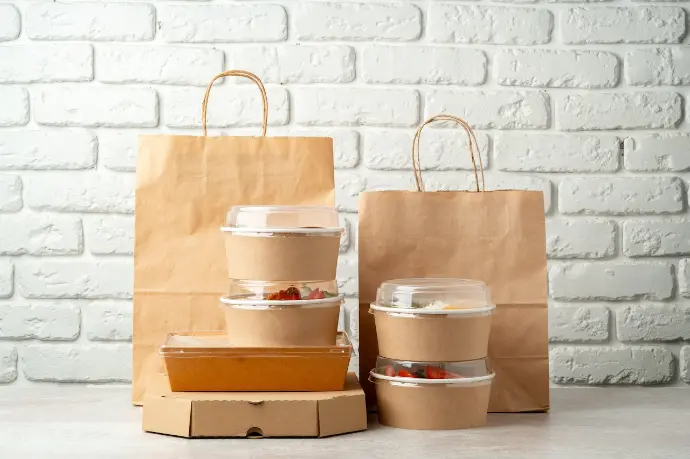
Quick answer: The seven main types of food packaging are plastic, glass, paperboard, aluminum, biodegradable materials, and flexible packaging. Each offers different benefits in cost, durability, and sustainability. The right choice depends on your food type, shelf life needs, budget, and regulatory requirements.
Think about the last time you unpacked your groceries. The crinkly bag holding your chips, the carton of eggs, the glass jar of pasta sauce, the foil tray from last night's takeout. Each one was chosen for a reason. Good food packaging keeps food fresh, safe, and appealing while meeting strict safety standards.
If you make or sell food products, picking the right packaging matters more than you might think. The wrong material can shorten shelf life, raise costs, or land you in trouble with regulators. This guide breaks down seven common packaging materials, their best uses, and how to choose the one that fits your product.
What Are the Main Types of Food Packaging Materials?
Below are the seven most widely used options, along with where you'll spot them and why they work.
1. Plastic Packaging
Plastic is everywhere, and for good reason. You'll find it in containers, wraps, and bottles, from your yogurt cups to your soda bottles.
Why it works:
- Lightweight, which keeps shipping costs down
- Durable and resistant to breaking
- Cost-effective for high-volume production
Plastic remains the go-to for brands that need a budget-friendly, reliable option at scale.
2. Glass Packaging
Glass is the classic choice for beverages and preserved foods. Think jam jars, olive oil bottles, and craft beer.
Why it works:
- Non-reactive, so it won't change the taste of your food
- Reusable and easy to recycle
- Gives products a premium, high-end feel
If you're selling a product where quality and presentation matter, glass sends the right message.
3. Paperboard Packaging
Paperboard shows up in cereal boxes, takeout cartons, and dry food packaging like pasta and crackers.
Why it works:
- Recyclable and earth-friendly
- Lightweight and easy to ship
- Highly customizable for branding and print
Paperboard gives you plenty of room for eye-catching designs while keeping your footprint low.
4. Aluminum Packaging
Aluminum is the muscle behind cans, foils, and trays. Your canned soup and the foil over your leftovers both rely on it.
Why it works:
- Strong barrier against light, air, and moisture
- Keeps food fresh for long periods
- Lightweight yet tough
For products that need serious protection from spoilage, aluminum is hard to beat.
5. Biodegradable and Compostable Materials
These newer materials come from plant-based or eco-friendly sources, like cornstarch containers and compostable utensils.
Why it works:
- Reduced environmental impact
- Breaks down naturally instead of sitting in landfills
- Supports sustainable branding
Shoppers increasingly look for green options, so these materials can help your brand stand out for the right reasons.
6. Flexible Packaging
Flexible packaging includes pouches and films, like the resealable bag your coffee or trail mix comes in.
Why it works:
- Space-saving and lightweight
- Lowers shipping and storage costs
- Extends shelf life with high-barrier protection
Flexible options like high-barrier films and stand-up pouches are growing fast, especially for snacks, produce, and frozen foods.
7. Combination and Specialty Packaging
Many products use a mix, such as a paperboard box holding a plastic-lined pouch. Pairing materials lets you balance protection, cost, and presentation in one package.
How Do You Choose the Right Food Packaging?
Picking the right material comes down to a few key questions.
Consider your food type and shelf life. Fresh produce needs to breathe, while frozen foods need a tight moisture barrier. Match the material to how your product behaves.
Balance cost, protection, and sustainability. Plastic might be cheapest, but a compostable option could win over eco-conscious buyers. Weigh what matters most for your brand and customers.
Meet regulatory requirements. Food packaging must comply with safety standards set by agencies like the FDA. Always confirm your materials are food-safe and properly labeled before going to market.
Choose flexible packaging if shelf life and shipping efficiency are top priorities. Choose glass if premium presentation matters more than weight. Choose biodegradable materials if sustainability is central to your brand identity.
Packaging That Keeps Food Fresh and Compliant
The right food packaging protects your product, pleases your customers, and keeps you on the right side of regulations. Plastic, glass, paperboard, aluminum, biodegradable materials, and flexible packaging each have their place. The best fit depends on your specific product and goals.
Ready to find a smarter solution? Explore GWC's flexible packaging for high-barrier films and pouches engineered to keep food fresh and shelf-ready.
Frequently Asked Questions
What is the most common food packaging material?
Plastic is the most widely used food packaging material because it is lightweight, durable, and cost-effective. It appears in everything from beverage bottles to yogurt containers and wraps.
Which food packaging is the most sustainable?
Biodegradable and compostable materials made from plant-based sources have the lowest environmental impact, since they break down naturally. Glass and paperboard are also strong eco-friendly choices because they are widely recyclable and reusable.
What food packaging extends shelf life the most?
Aluminum and high-barrier flexible packaging offer the best shelf-life protection. Both block light, air, and moisture, which slows spoilage and keeps food fresh longer.
How do I know if packaging is food-safe?
Food-safe packaging meets standards set by regulators such as the FDA. Look for materials specifically labeled food-grade, and confirm compliance with your supplier before production.
What is flexible food packaging used for?
Flexible food packaging, including pouches and films, is used for snacks, produce, bakery items, and frozen foods. It saves space, lowers shipping costs, and extends shelf life with high-barrier protection.