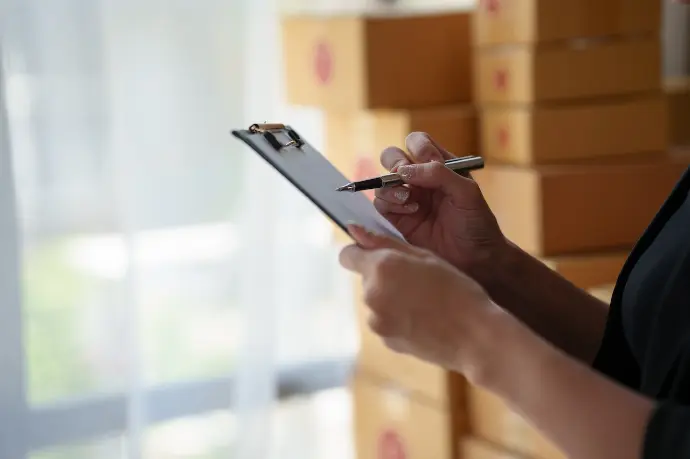
Quick Answer: A complete shipping supplies checklist for small businesses includes packaging materials (boxes, mailers, protective fill), sealing supplies (tape and dispensers), labels and documentation, and shipping tools like a scale and label printer. Stocking these items prevents delays, reduces damage, and keeps customers happy.
Getting an order out the door sounds simple until you run out of tape mid-shipment or realize your box is two sizes too big. The right shipping supplies make the difference between a smooth fulfillment day and a chaotic one. This checklist walks you through everything you need to pack, seal, label, and ship like a pro.
Why Having the Right Shipping Supplies Matters
Think about the last time you received a package that arrived dented or rattling around in an oversized box. Not a great feeling, right? Proper shipping supplies for small business owners help prevent that experience for your own customers.
Good supplies reduce product damage, speed up your packing process, and create a polished unboxing moment. When your packaging is consistent and protective, you spend less on replacements and refunds, and you build trust with every order you send.
Why Every Small Business Needs a Shipping Supplies Checklist
A shipping supplies checklist for small businesses keeps you organized and ahead of problems. Here's what it simplifies for you:
- Prevent fulfillment delays by knowing exactly what you have on hand
- Avoid last-minute supply shortages during busy seasons
- Improve packaging consistency so every order looks professional
- Reduce shipping and replacement costs by using the right materials the first time
Essential Shipping Supplies for Small Businesses
Shipping Boxes
Boxes are the foundation of any shipment. Stock a mix of these:
- Corrugated boxes for everyday durability
- Specialty boxes for unusual shapes or fragile goods
- Multiple box sizes so you're never wasting a giant box on a small item
Mailers
For flat or soft items, mailers save space and postage:
- Poly mailers for clothing and non-fragile goods
- Bubble mailers for small items that need a little cushion
- Rigid mailers for documents, photos, or anything that shouldn't bend
Protective Packaging
Keep your products safe in transit with the right void fill:
- Bubble wrap for fragile items
- Packing paper for wrapping and filling gaps
- Foam inserts for a custom, snug fit
- Air pillows for lightweight cushioning
- Packing peanuts for filling empty space
Essential Sealing Supplies
Packing Tape
A box is only as secure as its tape. Keep these on hand:
- Standard shipping tape for everyday orders
- Heavy-duty tape for heavier or bulkier boxes
- Water-activated tape for a tamper-evident, extra-strong seal
Tape Dispensers
The right tool speeds things up:
- Handheld dispensers for quick, on-the-go sealing
- Packing stations for high-volume shipping days
Shipping Labels and Documentation
Shipping Labels
Clear labels keep packages moving:
- Carrier labels for postage and tracking
- Address labels for clean, readable delivery info
- Return labels to make returns easy for customers
Packing Slips and Invoices
These small documents do a lot of work:
- Order verification so customers can confirm their items
- Customer communication through a thank-you note or reorder reminder
Fragile and Handling Labels
Help carriers treat your package with care:
- Fragile stickers for delicate items
- This Side Up labels for orientation-sensitive products
- Specialty handling labels for anything that needs extra attention
Shipping Tools Every Small Business Should Have
Beyond materials, a few key tools make shipping faster and more accurate:
- Shipping scale to weigh packages and avoid postage surprises
- Measuring tools to get accurate dimensions for dimensional weight pricing
- Label printer to produce clean, professional labels in seconds
Keep Your Shipping Operation Running Smoothly
A well-stocked shipping station saves time, protects your products, and leaves customers with a great impression. Start by reviewing what you already have, fill the gaps using this checklist, and build a reorder routine so you never scramble for supplies again.
Ready to stock up on dependable shipping supplies? Visit GWC Packaging to find the materials and equipment that keep your business moving.
Frequently Asked Questions About Shipping Supplies for Small Businesses
How many box sizes should a small business keep in stock?
Most small businesses do well with three to five box sizes that match their most common products. Having a range lets you avoid wasted space and excess void fill, which keeps shipping costs down.
What shipping supplies should e-commerce businesses prioritize?
E-commerce businesses should prioritize sturdy boxes, protective packaging like bubble wrap or air pillows, reliable packing tape, and a label printer. These items handle the bulk of daily fulfillment and protect against damage.
Is it cheaper to buy shipping supplies in bulk?
Yes, buying in bulk usually lowers the per-unit cost of boxes, tape, and mailers. Bulk purchasing also reduces the risk of running out during busy periods, as long as you have space to store the extra inventory.
When should a business invest in a label printer?
A business should invest in a label printer once it ships consistently each week, often around 10 to 20 orders. A printer saves time, reduces handwriting errors, and gives packages a more professional look.
How often should shipping supply inventory be reviewed?
Review your shipping supply inventory at least once a month and more often during peak seasons. Regular checks help you reorder before you run out and keep your fulfillment process running smoothly.